
Principle 06
Bright isn’t the same as well lit
Natural light has a direction, a temperature and an hour. Orientation and glass decide what a room does with it.
What it is
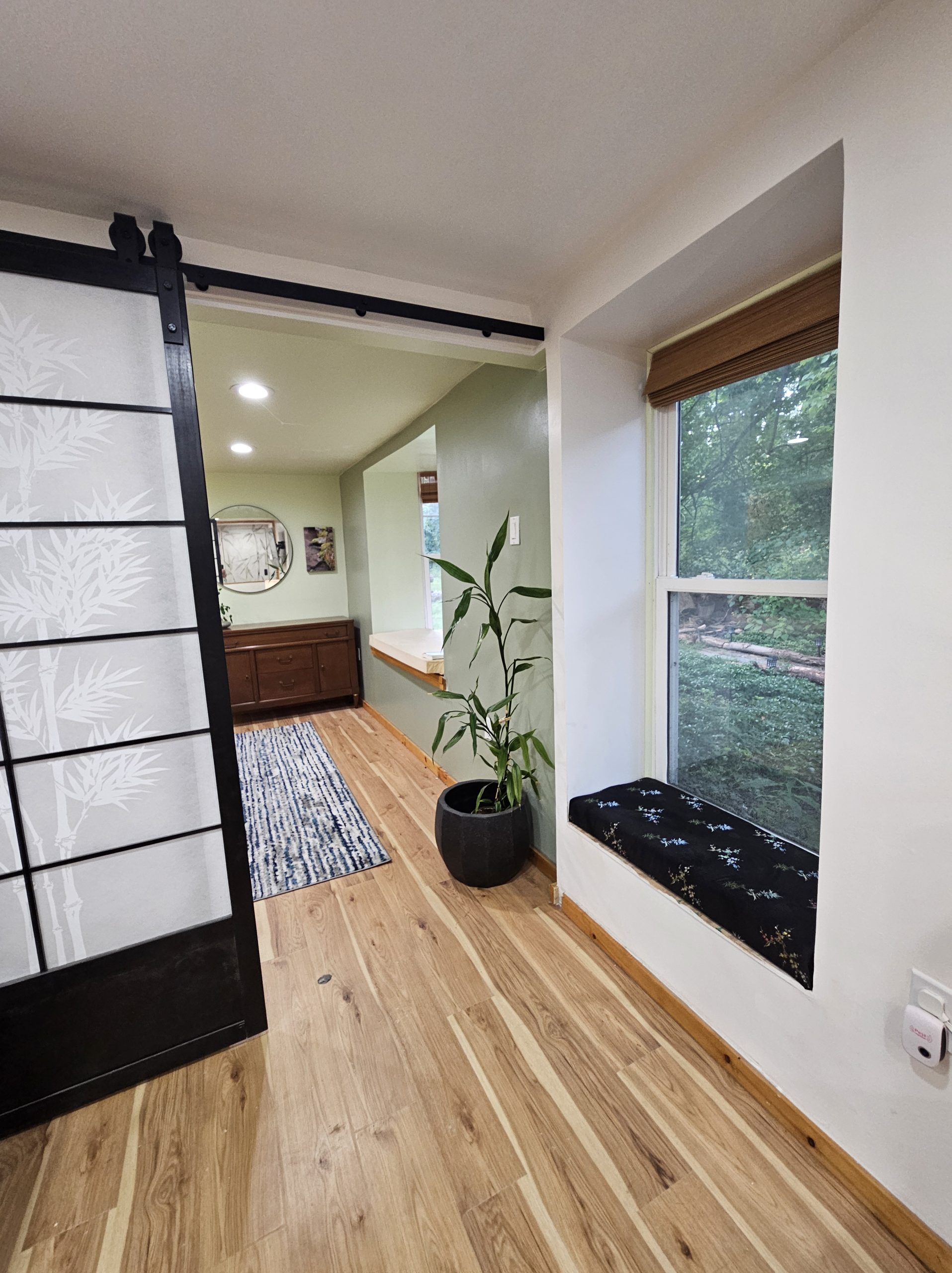
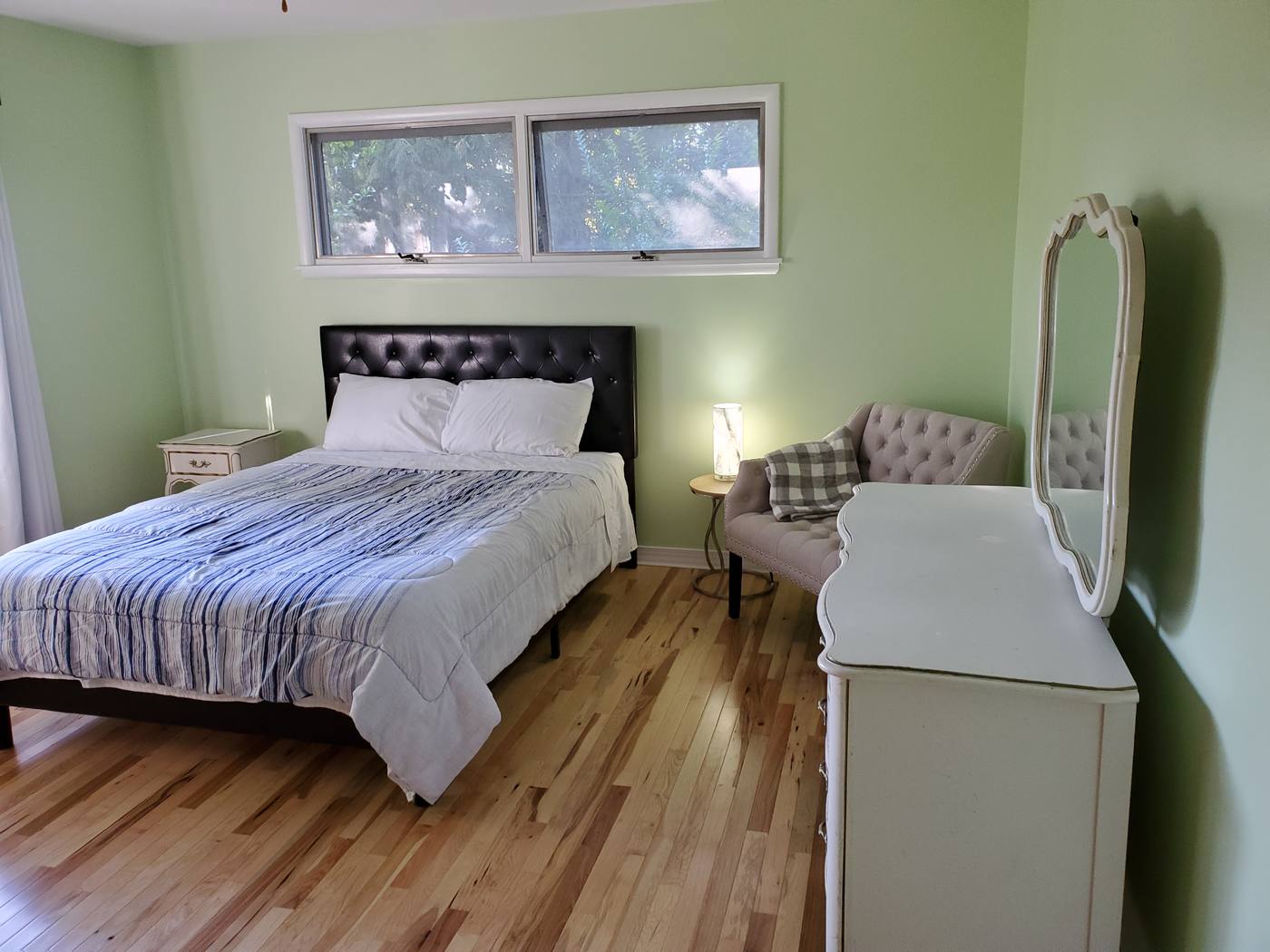
Adding windows makes a room brighter. It doesn’t necessarily make it better. Light has a direction, a temperature and an hour. A room that gets a lot of it from the wrong side can be less comfortable than a modest room that gets a little from the right one.
The question is never how much light a room gets. It’s when the light shows up, where it comes from, and what it lands on.
Why it matters
A house keeps different hours
than a floor plan.
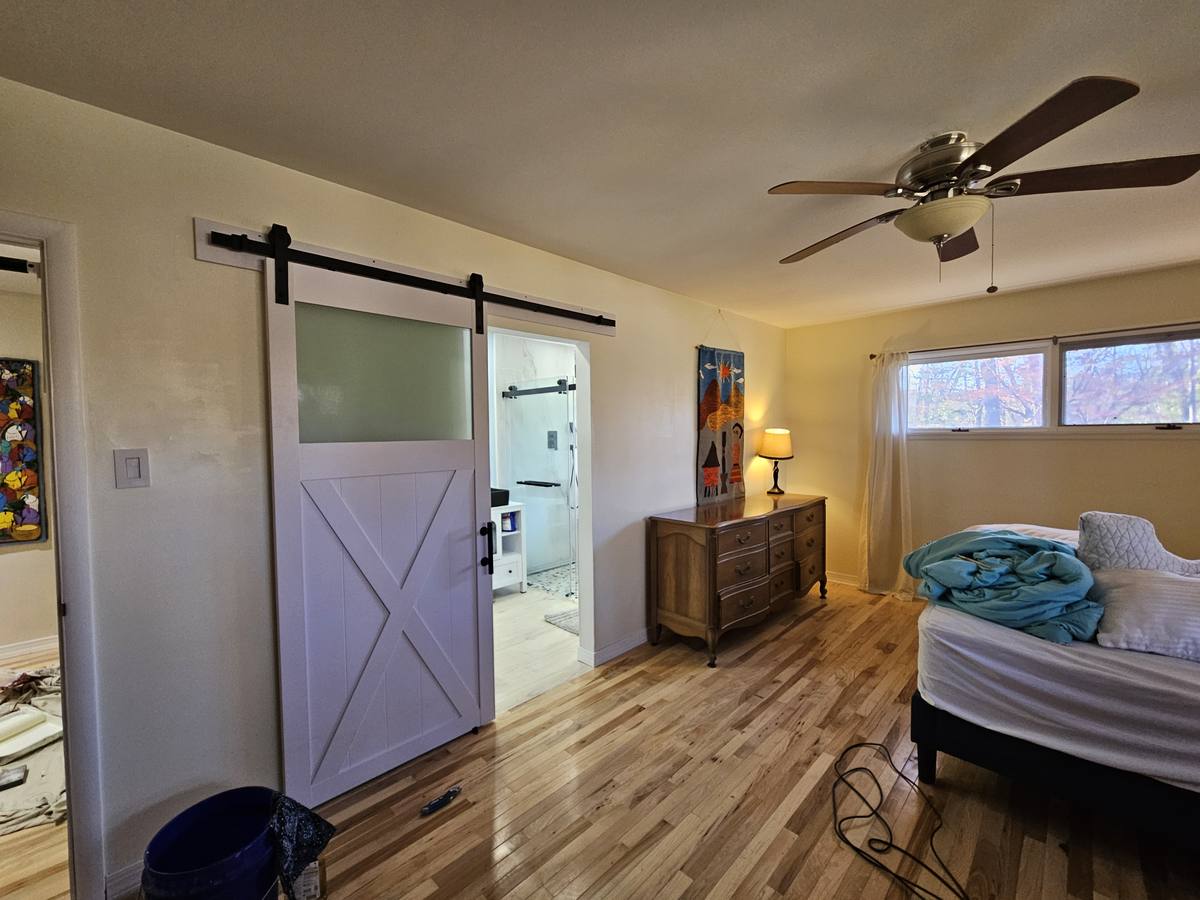
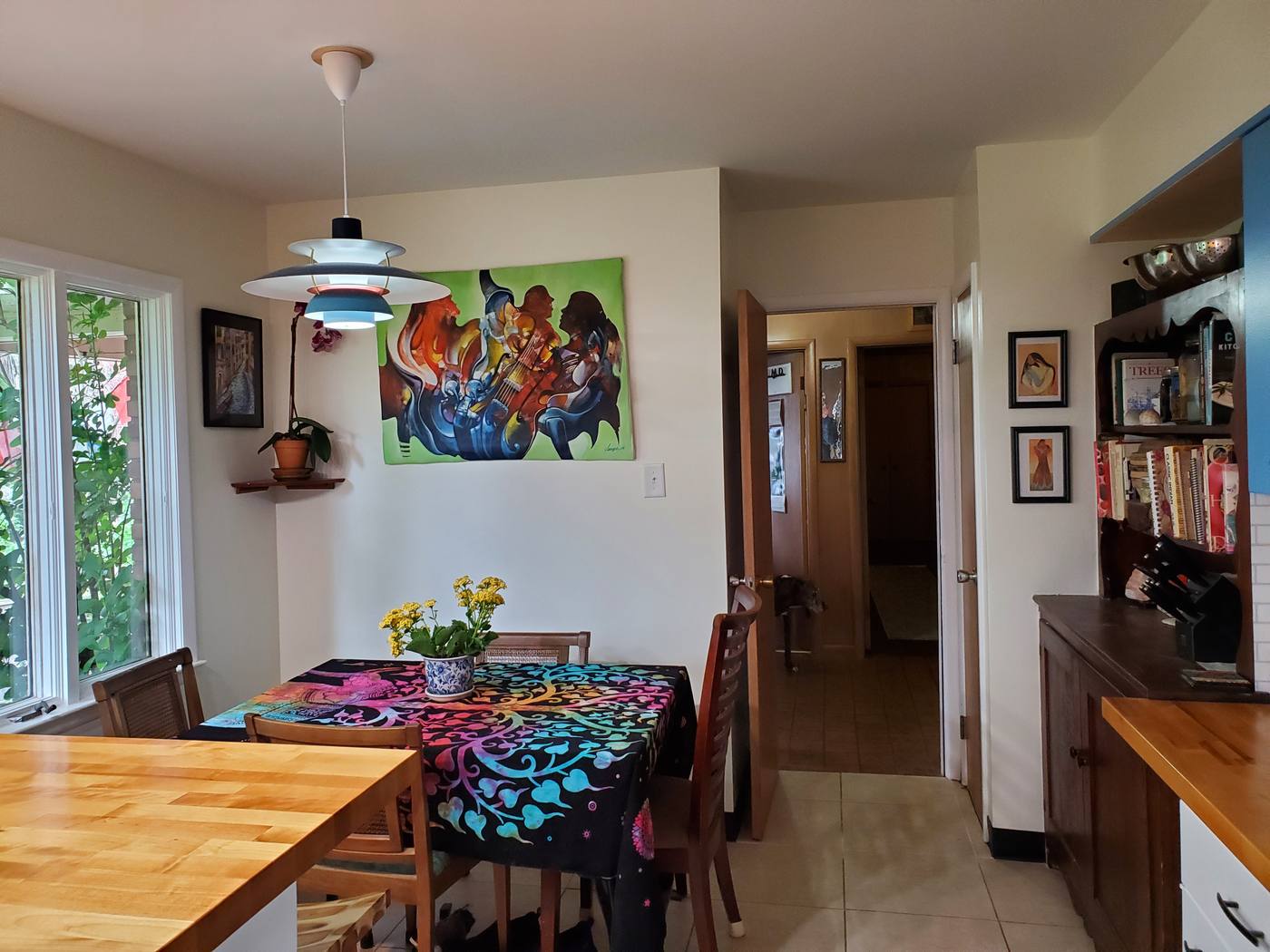
A kitchen used at seven in the morning wants east light. A room used at six in the evening wants west. A studio used all day wants north — steady, cool, no glare. Almost no stock plan accounts for any of this, because the plan gets drawn before anyone asks how the family actually lives.
At this latitude the sun sits low for much of the year, and that changes everything. Winter light comes in nearly sideways and travels far deeper into a room than summer light does. Design for July alone and January feels grim. Design for January and July takes care of itself.
Light is also how a house stops ending at its walls. A window placed well turns the herb garden into part of the kitchen, the bamboo into part of the bathroom, the orchard into another room.
Light is the only material in the house that shows up free, twice a day, and changes with the season.
How we approach it
How we design for natural light
Orientation before layout
Working out where the sun lands across the day and the year, then placing rooms to match how the household really uses them.
Glass sized for the season
Openings proportioned for low winter sun as much as high summer sun, with deep reveals to keep glare in check.
Light from two sides
Wherever the structure allows. A room lit from one wall reads flat. A second source removes the shadow and gives the room depth.
Surfaces that spread it
Matte finishes and pale ceilings carry daylight deeper instead of throwing it back as glare.
The view as part of the room
Framing what’s outside — trees, a slope, the garden — so the window gives you a composition instead of an opening.
Continue reading
01
Biophilic Design
Not plants as decoration. Places designed to participate in living systems — and get more alive every year.
02
Japandi
Japanese discipline meets Scandinavian warmth — and why that combination suits a long winter here.
03
Japanese Design Principles
Wabi-sabi, ma, shou sugi ban — and what a garden in Kyoto teaches a bathroom in Delmar.
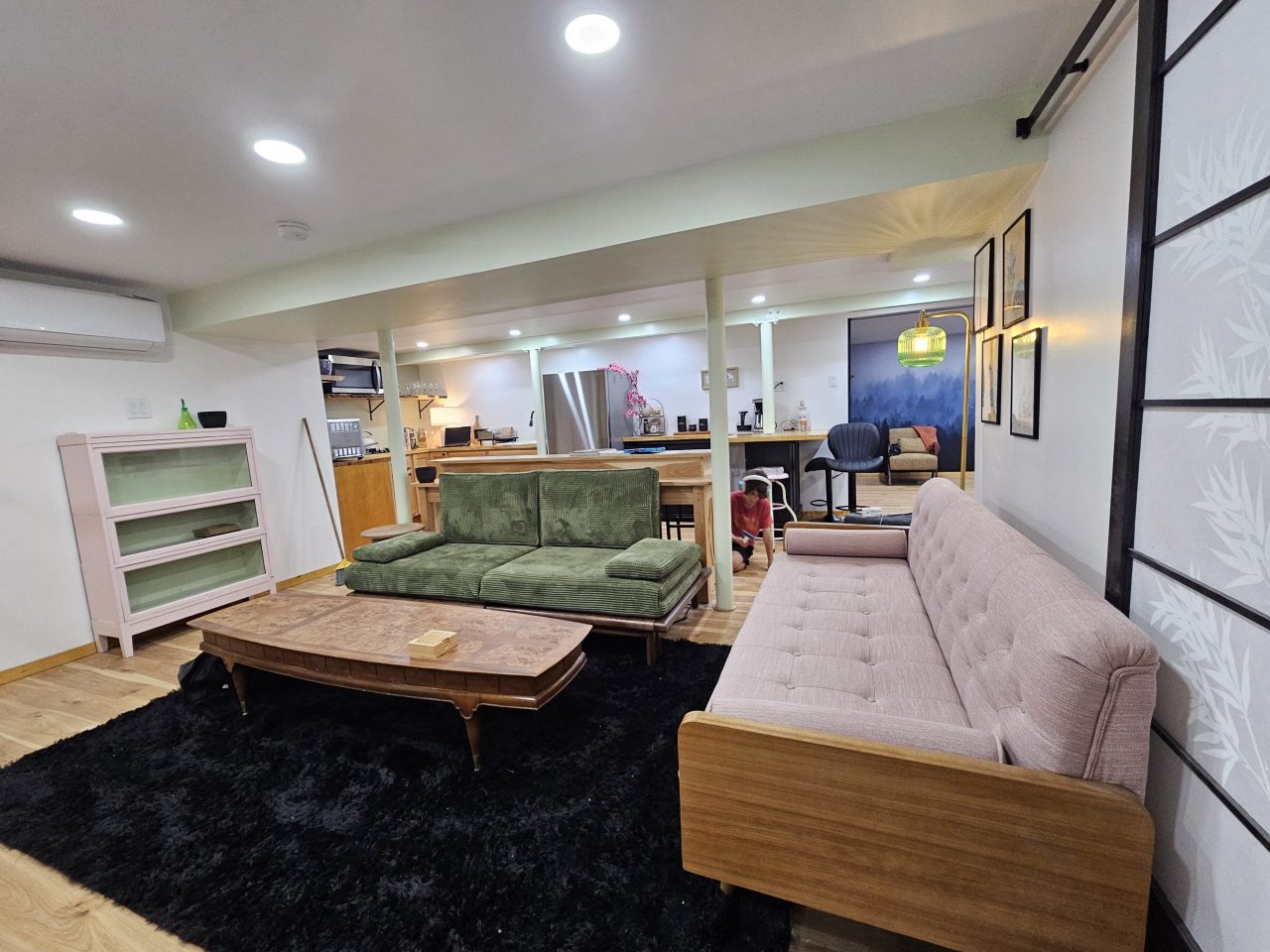
Light, built
See it in one house
A below-grade bedroom with windows wrapping three sides, where the design problem was never darkness — it was recognising the light that was already there.
An unfinished basement — steel, block and bare slab — became a whole apartment. Walk it room by room and drag the handle on any photo to see what was there before.
See the bedroom